
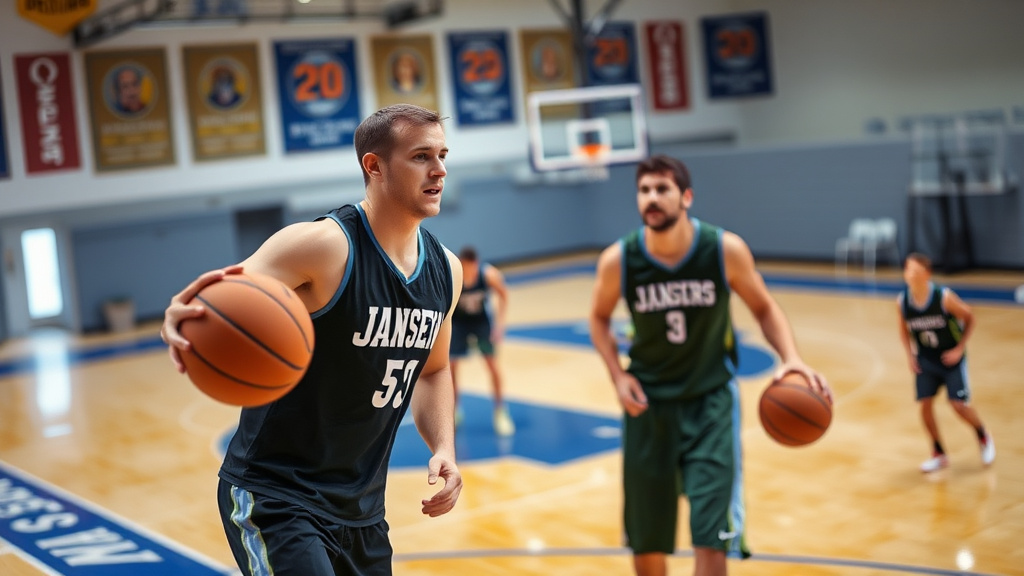
College basketball has been challenged by avoidable injuries that remove star players and undermine championship dreams. Now, top programs are overhauling their approach to athlete wellness by implementing state-of-the-art training approaches created to strengthen vulnerable joints, improve biomechanics, and enhance recovery protocols. From sophisticated data analysis to customized conditioning methods, these innovative strategies are proving remarkably effective at reducing ACL tears, ankle sprains, and stress fractures. Discover how elite college basketball programs are reshaping injury prevention and keeping their rosters healthy throughout intense seasons.
Modern Injury Prevention Approaches in College Basketball
College basketball programs are substantially reshaping their approach to athletic safety through research-backed injury prevention protocols. These modern strategies integrate biomechanical analysis, strength training, and movement pattern assessment to identify and address vulnerabilities before they develop into major injuries. By merging established techniques with advanced technology, athletic departments now have unparalleled visibility into athlete wellness. Coaches and medical staff work collaboratively to customize prevention programs that address individual risk factors, ensuring thorough coverage throughout the competitive season.
The adoption of specialized training methodologies has produced significant improvements across collegiate basketball. Programs employing these techniques report significant reductions in typical injuries such as ACL damage, sprained ankles, and overuse fractures. Sophisticated tracking technology track player workload and recovery status, allowing coaching staffs to enhance workout intensity and rest intervals. These evidence-based methods enable teams to maintain peak performance while concurrently defending their key resources—their competitors. The investment in comprehensive injury prevention has become a strategic edge for forward-thinking programs across the country.
Essential Elements of Current Prevention Programs
Comprehensive injury prevention in college basketball depends on many coordinated components working in harmony. Athletic conditioning coaches now focus on eccentric exercises, proprioceptive exercises, and dynamic stability training that reinforces the muscle and connective tissue structures most vulnerable to basketball-specific movements. Mobility and flexibility training has progressed past basic stretching to incorporate myofascial release techniques and mobility drills targeting specific joints. Additionally, programs include movement pattern training specific to basketball that trains players proper biomechanical form for jumping and landing, cutting and directional changes. This comprehensive strategy tackles injury prevention from all conceivable angles.
Technology serves as an steadily vital part in contemporary injury prevention strategies employed by elite college basketball programs. Wearable devices track heart rate variability, sleep quality, and movement patterns, giving coaches with concrete data about player readiness and fatigue levels. Video analysis tools capture and assess movement mechanics in real-time, enabling immediate corrective feedback. Force plate technology assesses landing mechanics and lower body strength asymmetries that could predispose athletes to injury. By utilizing these technological solutions in conjunction with traditional coaching expertise, programs establish comprehensive injury prevention ecosystems that maintain players healthy and operating at peak levels.
Sophisticated Training Approaches and Technology
College basketball programs are leveraging cutting-edge coaching techniques and cutting-edge technology to establish robust injury prevention strategies. These integrated approaches combine biomechanical analysis, wearable monitoring devices, and analytics-based coaching methods to recognize injury risk indicators before they become serious injuries. By implementing these modern methods, programs can personalize training regimens for individual athletes, assess performance indicators in real time, and make informed decisions about load management and recovery needs.
Movement Assessment and Movement Screening
Contemporary biomechanical analysis utilizes high-speed cameras and motion capture technology to assess how athletes perform in training and competition. Coaches and sports scientists examine joint angles, force distribution, and movement patterns to detect movement compensations that increase injury risk. This detailed assessment reveals muscle imbalances and technical flaws that conventional assessment might miss, enabling organizations to introduce targeted corrective exercises before issues arise.
Movement evaluation protocols have become standard practice at elite college basketball programs, delivering foundational measurements on each athlete’s movement capacity and constraints. These tests measure range of motion, strength balance, equilibrium, and movement control across multiple planes of motion. By creating personalized movement assessments, coaching staffs can create tailored training regimens that target individual deficiencies and enhance athletic movement quality throughout the season.
Portable Devices and Real-Time Monitoring
Wearable devices including GPS trackers, accelerometers, and heart rate monitors provide coaches with continuous performance data throughout practices and competitions. These sensors track workload intensity, movement patterns, fatigue levels, and recovery status, permitting staff to adjust training volume dynamically. Real-time feedback allows programs to reduce overtraining and spot athletes displaying early signs of physical stress prior to injuries occur.
Sophisticated analysis platforms consolidate information from multiple wearable sources to create comprehensive athlete health profiles. Machine learning algorithms detect trends associated with injury risk, allowing programs to intervene proactively with adjusted workout intensity or extra recuperation sessions. This data-driven approach transforms injury prevention from reactive treatment into predictive management, substantially enhancing athlete availability and team performance throughout the season.
Deployment Outcomes and Future Outlook
The implementation of these cutting-edge training techniques has produced strong outcomes across participating college basketball programs. Preliminary results indicates a significant reduction in ACL injuries, with some schools recording up to 35% less season-ending injuries relative to previous seasons. Players using personalized biomechanical assessments and focused conditioning programs demonstrate better agility and shorter recovery timelines. Athletic directors and coaching teams are increasingly recognizing that committing resources to injury prevention not only shields their competitors but also boosts general team effectiveness and competitive success throughout the season.
Looking ahead, the outlook of college basketball injury management appears exceptionally promising. More programs are expected to adopt these research-backed training approaches, creating sector-wide protocols for athlete safety and wellness. Continued research into wearable technology, artificial intelligence analytics, and genetic predisposition testing will continue to enhance prevention techniques. As these advancements become more accessible and affordable, smaller programs will gain the same advantages, making injury prevention more equitable across every tier of college athletics and fundamentally transforming how coaches emphasize athlete wellness and career durability.
