
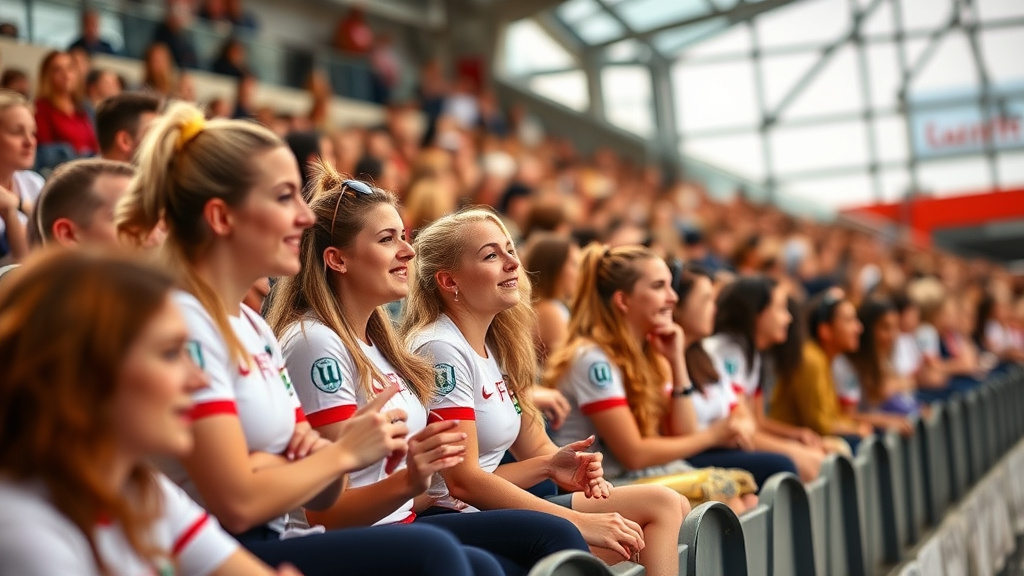
Women’s football has reached a historic milestone as major championship tournaments shatter attendance records worldwide. From packed stadiums to unprecedented viewership numbers, the sport is undergoing remarkable growth in worldwide engagement and backing. This article explores the remarkable growth in fan engagement, the forces behind this surge in interest, and what these record-breaking numbers mean for the future of women’s athletics. Discover how female athletes are captivating audiences and revolutionizing the structure of professional sports.
Rising Viewership Patterns in Women’s Football
Women’s football has seen an significant transformation in attendance figures over the past decade. Major championship tournaments now consistently attract millions of spectators, both in arenas and through broadcasting platforms. This substantial increase reflects a major transformation in how viewers regard and support women’s athletics. The 2023 FIFA Women’s World Cup exemplified this trend, drawing historic numbers that surpassed previous tournaments by considerable degrees. These spectator figures show that fans worldwide are becoming more committed in women’s football.
The growth pattern of attendance is not confined to a single region or tournament. European leagues, international competitions, and continental championships all document significant growth in fan engagement. Stadium capacities are being expanded to accommodate increased demand, while ticketing systems often face unprecedented demand. Social media platforms enhance fan excitement, creating vibrant communities of supporters. This widespread enthusiasm indicates that women’s football has moved beyond niche appeal to become mainstream entertainment. The momentum maintains acceleration as more fans experience the outstanding ability and athleticism demonstrated by female athletes.
Main Elements Contributing to Growth
Multiple interrelated elements have driven the rapid expansion in women’s football attendance. Improved media coverage and digital availability have brought games to global audiences, removing geographical barriers. Investment in marketing and promotional campaigns has increased the prominence of women’s tournaments. Enhanced production quality and commentary professionalism have improved how fans experience matches significantly. Community-level development initiatives have nurtured new cohorts of female players and fans. Business partnerships have increased dramatically, enabling better infrastructure and player compensation. These interconnected components have established conditions where women’s football thrives.
Player prominence across digital platforms have reshaped fan interactions with women’s football. Star athletes now attract large audiences across digital platforms, engaging audiences worldwide. True stories from players’ careers resonates deeply with audiences seeking relatable role models. Broadcasting networks recognize the commercial viability of women’s football, dedicating major funding to content. Competitive matches featuring high-quality football attract viewers wanting authentic sporting quality. The accessibility of highlight reels and analysis content keeps fans engaged between matches. These current media tools have fundamentally transformed how audiences connect with women’s football.
Economic Consequences of Higher Visitor Numbers
Historic attendance numbers translate into significant economic benefits for clubs, leagues, and host nations. Ticket sales produce significant revenue streams that support player salaries and infrastructure upgrades. Catering operations, retail operations, and food and beverage sales add extra revenue during game days. Local businesses experience higher customer volume and spending from away fans. Accommodations, restaurants, and transportation services benefit considerably from event hosting. Media broadcasting deals attract high valuations as viewership increases. These financial benefits establish sustainable business models for women’s football organizations.
The financial development enables reinvestment in player development and facility expansion. Clubs can now secure elite coaching staff, training facilities, and medical support systems. Enhanced salary structures draw top players and foster long-term careers in women’s football. Stadium upgrades and expansions handle expanding audiences while enhancing spectator experiences. Youth development programs receive greater investment, nurturing future generations of players. The economic momentum creates a positive feedback loop where winning brings investment, supporting further growth. This economic sustainability secures women’s football continues flourishing for years to come.
Major Championship Tournaments Breaking New Records
Women’s World Cup by FIFA Creates New Expectations
The FIFA Women’s World Cup has served as a primary catalyst for unprecedented attendance figures in women’s football. The 2019 tournament in France witnessed historic attendance levels, with matches attracting spectators exceeding 50,000 spectators. This constituted a major jump from previous tournaments, showcasing growing fan enthusiasm and broadcast interest. Leading venues embraced the competition, with venues running at maximum attendance for elimination rounds and championship matches, generating electric atmospheres that energized players and viewers alike.
Building on this positive trend, the 2023 FIFA Women’s World Cup in Australia and New Zealand surpassed all previous records. The tournament drew over 2 million spectators across all matches, making it the highest-attended Women’s World Cup in history. The final between Spain and England drew 87,353 fans to Stadium Australia, establishing a new attendance record for women’s football. These numbers reflect the sport’s rapid expansion and the passionate audience that has developed globally.
UEFA Women’s Championship Dominates European Football
The UEFA Women’s Championship has regularly shown substantial attendance growth across European countries. The 2022 tournament in England captivated audiences with record-breaking crowds throughout the event. The final between England and Germany attracted 87,192 spectators at Wembley Stadium, demonstrating the immense support for women’s football in major markets. This success prompted increased investment in marketing and infrastructure for subsequent tournaments.
Later championships have maintained this upward trajectory, with venues expanding capacities to accommodate demand. Euro 2025 preparations include improved stadium facilities and increased seating arrangements across host nations. The sustained growth in attendance demonstrates that women’s football has shifted from a specialized pursuit to popular entertainment. Commercial partnerships and media rights have expanded in tandem, reflecting the commercial viability and sustained popularity of these major tournaments.
Olympic Games Showcase Worldwide Popularity
The Olympic Games have provided an unparalleled platform for women’s soccer, attracting diverse international audiences. The Tokyo 2020 Olympics (held in 2021) showcased women’s soccer games that pulled in large audiences, with elimination rounds particularly well-attended. The sport’s presence at the Olympics validated women’s football on the global platform and exposed it to audiences unfamiliar with club competitions. Championship games consistently filled stadiums, demonstrating the universal appeal of elite women’s soccer.
Paris 2024 Olympics substantially increased women’s football’s prominence with broad television coverage and higher seating availability. Major matches drew audiences comparable to men’s tournament standards, signifying a watershed moment for women’s equality in sports attendance. The Olympic platform keeps drawing sponsors and broadcasting partners eager to reach engaged female sports audiences. These Games act as drivers for continued expansion, motivating national federations to invest in women’s football infrastructure and development programs.
Influence and Expansion of Women’s Soccer
Economic and Commercial Opportunities
The unprecedented attendance numbers at women’s football championships have unlocked substantial financial prospects for clubs, leagues, and national federations. Rising ticket sales, merchandise revenue, and broadcasting rights have produced millions in additional income, enabling organizations to invest in player development, coaching centers, and infrastructure improvements. These financial gains demonstrate that women’s football is no longer a niche market but a profitable sector securing corporate sponsorships and major brand partnerships worldwide.
Commercial expansion extends beyond immediate revenue streams, as sponsors recognize the promotional opportunities of women’s football’s engaged and varied fan base. Major corporations now allocate considerable funding in women’s athletic circuits, improving production standards and player remuneration. This flow of investment generates a viable structure where athletes can develop athletic careers with attractive pay packages, further drawing top talent and raising the overall level of competition across international competitions.
Social Effects and Representation
The rise in participation in women’s football tournaments has far-reaching societal implications, reshaping traditional gender stereotypes and inspiring millions of young girls worldwide. Greater exposure of female athletes creates powerful role models, demonstrating that women excel in high-level competition at the top tier. This cultural shift drives greater participation in youth football programs and establishes routes for aspiring female athletes to pursue careers in professional sports that were not previously accessible.
Enhanced media attention and popular acknowledgment have established women’s football, promoting increased fairness in sports conversation. Young audiences now are raised seeing female athletes perform at the highest levels, normalizing their standing in elite competition. This generational change indicates lasting cultural transformation, where women’s sports accomplishments earn the same appreciation and celebration alongside men’s sports, significantly altering societal attitudes toward women’s involvement in competitive athletics.
Upcoming Opportunities and Key Initiatives
Looking ahead, women’s football is set for sustained growth with planned efforts designed to sustaining momentum and broadening global reach. Major football governing bodies are investing in youth development programs, community programs, and professional competition frameworks across emerging markets. These sustained approaches aim to position women’s football as a permanent fixture in the worldwide sports arena, supporting continued development and greater prospects for women players worldwide.
Digital advancement and creative development will serve as key drivers in future growth, with improved transmission technologies, online channels, and engaging audience engagement expanding accessibility. Investment in women’s leagues in regions with untapped potential offers substantial viewership expansion and enhanced revenue opportunities. As female soccer continues breaking records and engaging worldwide viewers, the sport reaches a critical juncture where ongoing financial commitment and strategic planning can establish it as one of global sport’s leading competitions.
