
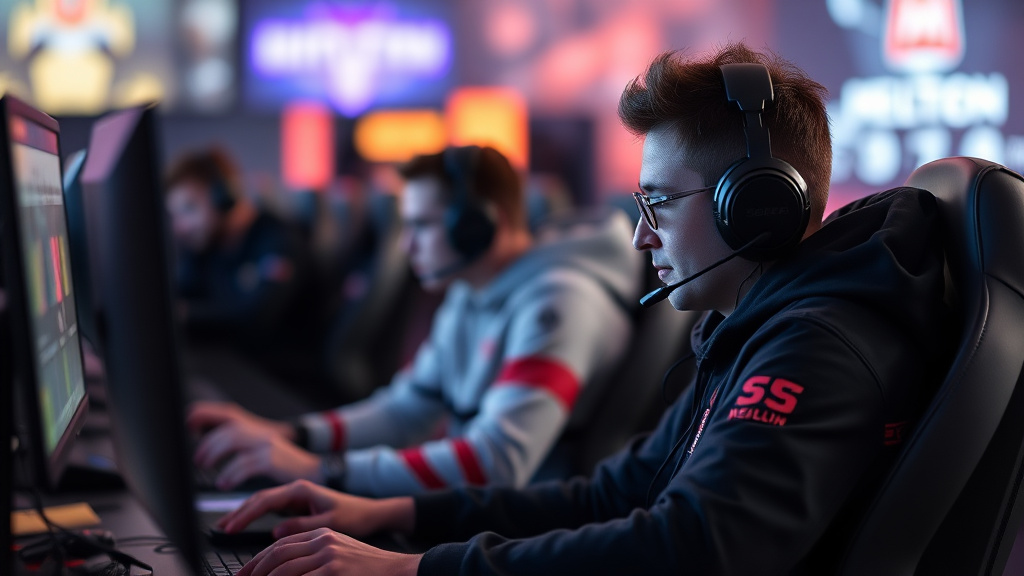
As esports emerges as a multi-billion dollar industry, professional teams are recognizing a critical truth: elite performance demands psychological resilience alongside mechanical skill. Top franchises now spend millions in extensive mental wellness initiatives, employing sports psychologists, therapists, and wellness coaches to assist their players. This article examines how leading gaming organizations are emphasizing mental wellbeing, the specific support systems they’ve established, and why this investment has become essential for winning performance and athlete sustainability in gaming’s most demanding arena.
The Increase of Mental Wellness Awareness in Competitive Gaming
The esports industry has experienced a significant transformation in recent times, shifting from considering mental health as a peripheral concern to understanding it as fundamental to competitive success. Professional players now face unprecedented pressure—grueling practice schedules, intense competition, and relentless public examination. This challenging setting has generated greater recognition among organizational leadership that psychological wellness substantially influences performance and player longevity. Major organizations have started recognizing that emotional fortitude is just as vital as mechanical skill in winning championships.
Early recognition of mental health issues in esports arose from troubling patterns within the community. Players described facing exhaustion, anxiety, depression, and stress-related challenges at troubling frequencies. The competitive intensity of professional gaming, coupled with unpredictable schedules and social disconnection, formed an ideal environment for emotional distress. As well-known competitors openly shared their mental health struggles, the stigma around seeking help started to decrease. Teams realized that ignoring these issues not only harmed individual players but also compromised team dynamics and organizational effectiveness.
Today’s top esports franchises view mental health investment as a competitive benefit rather than an expense. Teams operating at elite levels now hire specialized mental health staff, showcasing organizational dedication to player welfare. This change demonstrates significant changes in how esports is viewed—no longer as a casual hobby but as a credible athletic competition demanding full-scale support infrastructure. The investment in mental health infrastructure has emerged as a key feature of top-tier esports franchises pursuing long-term success.
The integration of mental health dialogues within esports has created positive ripple effects throughout the industry. Younger players entering professional ranks now expect psychological support services as standard procedure, not a luxury. Teams that adopt robust wellness initiatives report higher player satisfaction, decreased player turnover, and stronger team cohesion. This shift in culture demonstrates that prioritizing mental health isn’t just ethical—it’s strategically sound business that improves organizational effectiveness.
Looking forward, awareness of mental health in esports continues to evolve as the industry develops. Industry leaders acknowledge that sustainable competitive success requires holistic player development covering physical, mental, and emotional wellbeing. The investment in mental health programs signals a pivotal point where esports aligns itself with traditional sports in acknowledging that championship-caliber performance requires robust support infrastructure addressing every aspect of athlete development and welfare.
Complete Support Systems and Resources
Coordinated Mental Health Teams
Professional esports organizations are assembling specialized wellness teams including licensed psychologists, competitive sport psychiatrists, and wellness coordinators. These specialists work together to address player anxiety, pressure handling, and performance psychology. Teams like T1 and Fnatic have set up in-house mental health departments that provide one-on-one counseling, group workshops, and emergency support protocols. This comprehensive strategy ensures players have immediate access to expert assistance customized for the particular demands of competitive gaming, including competition stress, burnout prevention, and handling media attention.
Beyond individual therapy, organizations implement peer support networks and mentorship programs connecting experienced players with newcomers. These formal partnerships build psychological resilience and provide safe spaces for discussing mental challenges free from judgment. Many teams also work with sleep specialists and nutritionists who understand the psychological dimensions of athlete wellness. Periodic wellness checks help identify emerging issues early, while anonymous resources ensures players feel secure seeking help without fear of judgment or career consequences.
Wellness Programs and Preventative Care
Leading esports franchises have created extensive mental health programs going further than reactive therapy to preventative mental health care. These programs feature mindfulness training, meditation sessions, and CBT-focused training modules tailored to gamers. Teams conduct periodic wellness assessments, implement bonding exercises that promote bonding, and create structured break periods to prevent burnout. Organizations recognize that preventative mental health initiatives reduce crisis situations and maintain consistent player performance throughout demanding competitive schedules.
Facilities now include relaxation spaces, fitness centers, and meditation rooms where players can unwind between practice sessions. Many teams deliver discounted access to mental health apps, online therapy platforms, and wellness retreats. Organizations also deliver educational resources about identifying mental health warning signs and promote open conversations about psychological wellbeing. This multifaceted approach demonstrates that esports franchises understand long-term success requires prioritizing player mental health as a essential foundation of organizational strategy.
Effects and Prospects Ahead
The investment in psychological wellness initiatives is already showing quantifiable results across professional esports. Teams establishing full-scale wellness strategies report improved player performance, lower burnout levels, and stronger team unity. Players with mental health services show sharper mental clarity during high-stakes competitions and speedier rebound from losses. These programs are transforming workplace culture, normalizing mental health discussions, and establishing esports as an sector truly invested about athlete wellbeing alongside competitive excellence.
- Mental health services enhances stronger competitive performance metrics
- Decreased player exhaustion and career-ending stress-driven departures
- Enhanced team chemistry through improved communication abilities
- Normalized mental wellness dialogue within esports communities
- Attracting elite players seeking organizations with robust support systems
Looking ahead, mental health funding in esports will likely become industry standard rather than a differentiator. As player unions grow stronger and regulatory bodies implement wellness guidelines, teams without strong mental health programs may encounter difficulty recruiting talent and competitive setbacks. The next generation of esports organizations will emphasize mental fitness alongside mechanical training, acknowledging that sustainable success requires holistic athlete development and robust support infrastructure.
The esports industry’s shift in direction of mental health prioritization signals professional maturity. As the sector keeps growing globally, mental wellness frameworks established by pioneering teams will become blueprints for organizations worldwide. This shift ultimately advantages athletes, organizations, and the broader esports community, establishing a more sustainable and mentally healthy competitive landscape where athletes can flourish mentally and achieve peak performance.
