
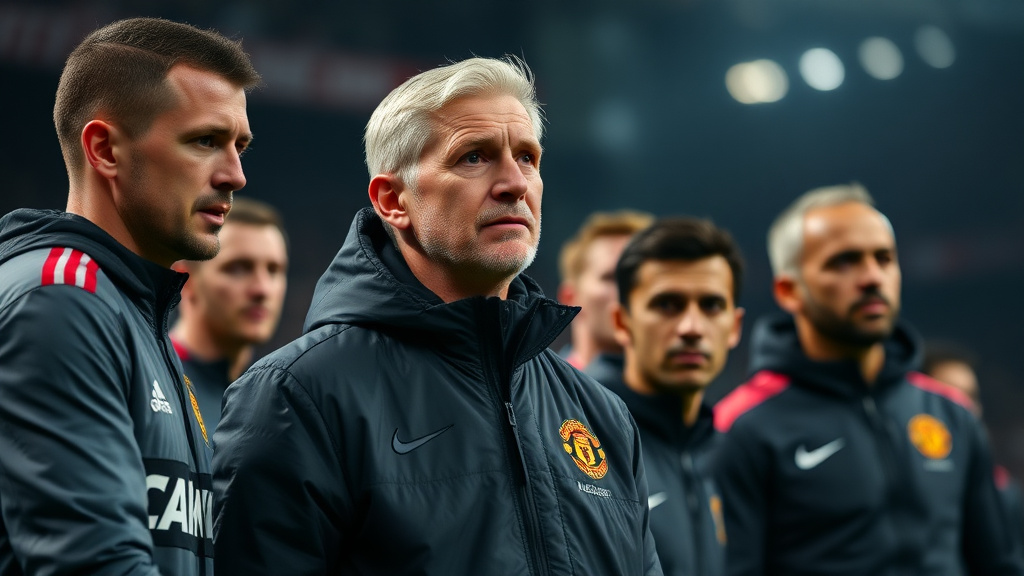
Manchester United faces a pivotal moment as the club begins a transformative period marked by substantial management transitions and critical player restructuring. With new management now taking the helm, the Red Devils face critical decisions regarding player acquisitions, departures, and tactical direction. This article analyzes the organizational reshaping underway at Old Trafford, assessing how updated coaching staff intends to rebuild the roster, resolve performance issues, and restore the club to its previous success in an fiercely contested Premier League setting.
Strategic Team Overhaul and Player Transfer Plan
Manchester United’s new managerial regime has launched a comprehensive assessment of the existing roster, identifying critical positions needing strengthening and potential departures. The club understands that sustained success demands a measured strategy blending seasoned players with rising prospects. Transfer strategy now prioritizes signing players who align with the coaching staff’s strategic vision while preserving fiscal responsibility. Priority targets encompass defensive reinforcements, playmaking options, and versatile attacking options able to perform at the top tier across various tournaments during the campaign.
The restructuring process surpasses mere player acquisitions, encompassing calculated departures of underperforming or surplus assets. Club officials are assessing agreements, gauging player valuation, and seeking temporary placement options for fringe players looking for regular minutes outside the club. This structured method aims to optimize roster structure, reduce wage bill pressures, and open avenues for academy graduates. By combining youth progression with planned acquisitions, Manchester United works to establish long-term competitive edge while preserving financial prudence and enduring structural stability.
Financial Plan and Resource Distribution
Transfer budget planning remain paramount as Manchester United manages the complex landscape of modern football finance. The club must balance aggressive player acquisition goals with careful fiscal oversight, ensuring financial commitments deliver measurable performance returns. Key alliances with sponsors and improved commercial revenues provide additional funding opportunities. Management emphasizes value-for-money acquisitions, identifying underrated prospects with significant potential upside. This disciplined approach preserves the club’s economic foundation while facilitating team building efforts required to challenging rivals at home and in European-level play.
Investment choices increasingly rely on data-driven analysis, leveraging sophisticated data tools and scouting networks to pinpoint ideal candidates. The club’s recruitment department employs advanced evaluation systems evaluating player performance, injury history, age profile, and organizational alignment within the organization. Budget allocation prioritizes positions of greatest need while maintaining squad depth across all departments. This strategic approach guarantees Manchester United maximizes financial resources, reduces acquisition uncertainty, and builds a competitive squad capable of sustaining success across several years while upholding long-term financial health.
Leadership Strategy and Tactical Direction
The fresh managerial regime brings a renewed vision to Manchester United’s strategic direction, emphasizing tactical flexibility and modern football principles. This leadership transition signals an platform to implement a cohesive playing philosophy that prioritizes aggressive pressing, possession management, and quick attacking plays. The manager’s strategic plan substantially alters squad composition priorities, directing investment toward personnel suited to defined tactical roles rather than depending solely on individual star power alone.
Defensive Reinforcements and Defensive Line Stability
Manchester United’s defensive weaknesses have become increasingly apparent, necessitating immediate reinforcement at central and wide defensive positions. The new coaching staff recognizes that a strong defensive base is vital for continued achievement, driving strategic recruitment of defenders with both physical prowess and technical abilities. Key acquisitions will tackle squad age issues while adding players equipped to deliver the manager’s pressing and possession-focused defensive system effectively.
Backline solidity transcends acquiring new talent; it requires enhancing established defensive assets through tactical guidance and positional development. The coaching staff will introduce systematic defensive training, highlighting communication, spatial awareness, and dead-ball organization. This detailed framework to defensive development seeks to transform vulnerable areas into competitive strengths, lowering goals against and creating confidence throughout the squad.
Attacking Prowess and Midfield Dynamics
Attacking strength is fundamental to Manchester United’s title aspirations, with the new manager focusing on creative midfielders and playmaking talents equipped to producing regular scoring chances. The strategic setup emphasizes rapid switches of play, wide play exploitation, and synchronized attacking patterns that maximize the squad’s goal-scoring potential. Targeted signings will target players whose technical skills and tactical understanding complement the manager’s attacking philosophy.
Midfield dynamics form the vital foundation powering Manchester United’s attacking transitions and defensive solidity simultaneously. The manager requires versatile midfielders able to perform both defensive responsibilities and attacking input within a flexible tactical system. Improved midfield unity through improved communication, positional awareness, and tactical understanding will facilitate more fluid attacking moves while maintaining defensive shape during opposition possession phases.
Financial Impact and Club Sustainability
Resource Allocation and Reallocation Approach
Manchester United’s reorganization plan requires considerable monetary resources, requiring careful budget allocation across player acquisitions and structural enhancement. The club must reconcile urgent on-field demands with long-term sustainability, ensuring expenditures align with income streams and commercial agreements. The leadership team must focus on strategic signings that fill strategic voids while preserving financial discipline. This equilibrium-focused method protects the club’s monetary stability while providing adequate resources for player contingent development and on-field advancement in the competitive top-flight landscape.
Revenue Production and Market Influence
The club’s business results directly influences restructuring capabilities, with sponsorship agreements and retail revenue supporting player acquisitions. Successful squad improvements can boost on-pitch performance, boosting fan engagement and business relationships. Conversely, persistent poor results risks diminishing revenue streams and investor confidence. Manchester United’s worldwide reputation remains important, yet sustained sporting success is essential for maximizing commercial opportunities. Management must demonstrate strategic vision to stakeholders, assuring them that present spending will generate competitive returns and fiscal security.
Sustainable Development Strategy
Successful squad restructuring transcends immediate transfers, requiring extensive strategic planning that covers academy development, squad agreement optimization, and wage structure rationalization. Manchester United must establish lasting systems avoiding future budget shortfalls while upholding competitive ambitions. Focus on youth development reduces future transfer costs while establishing cultural continuity. Thoughtful negotiation talks and player depth optimization guarantee financial prudence without compromising competitive standards, placing the club for long-term achievement and fiscal health throughout the decade.
